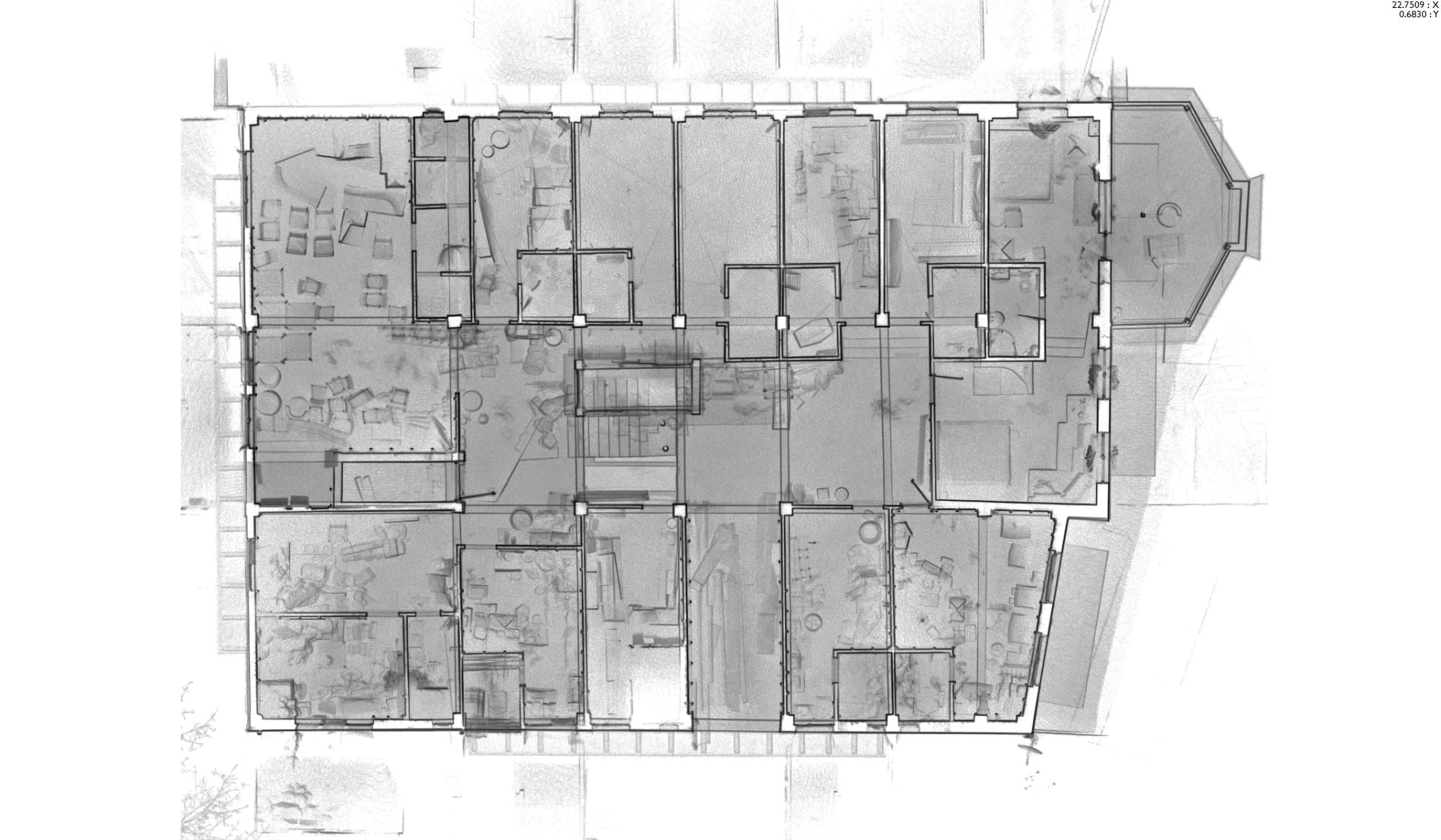
All about cadastre: stages, the cadastral expert and required documents
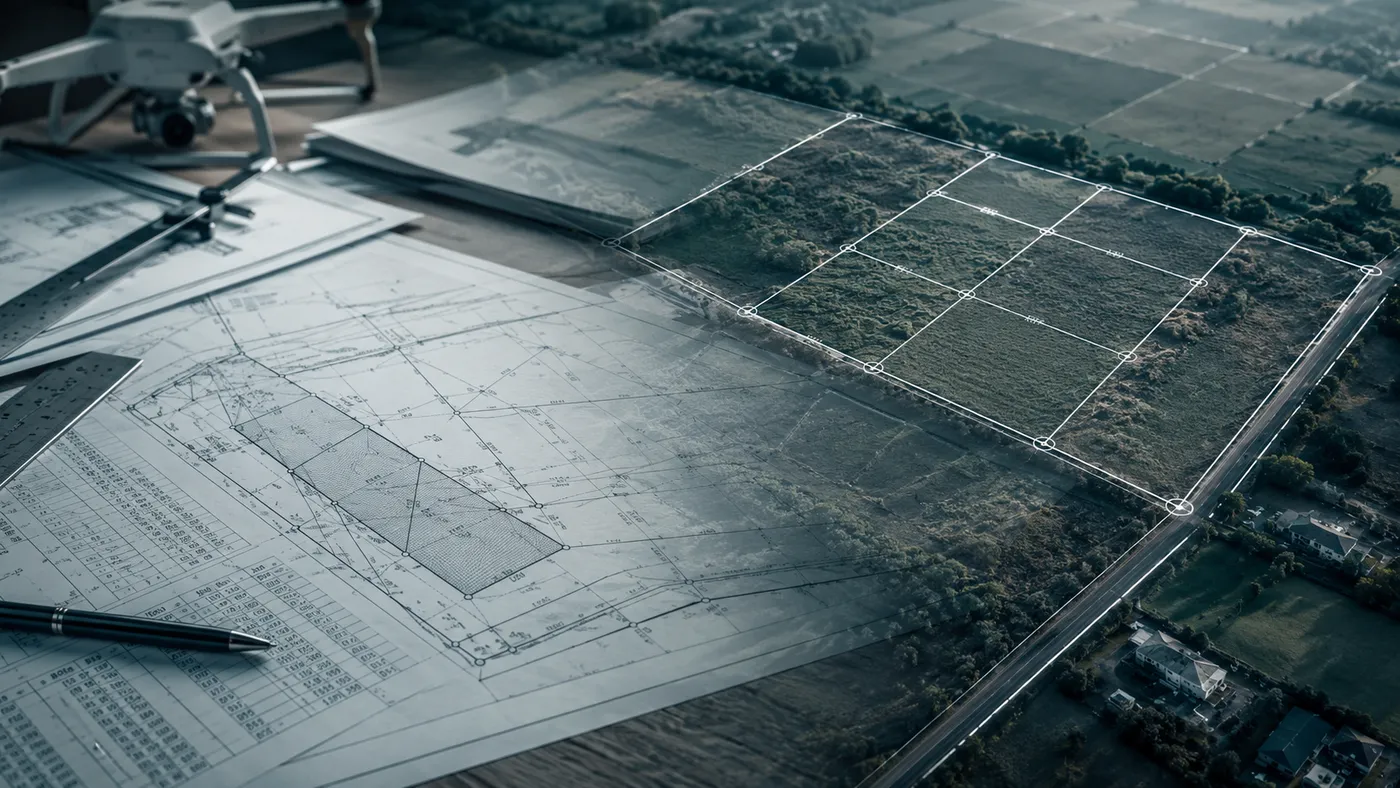
Cadastre is the part of the integrated cadastre-and-land-registry system that deals with the technical, economic and legal records of properties in an administrative unit — municipality, town or commune. From the first set-out measurements to the registration of the building, the whole process is coordinated by the cadastral expert. This article explains the expert’s role, the stages of a cadastral job and the documents needed for registering the building in the land registry.
The role of the cadastral expert
The cadastral expert carries out the topographic and cadastral works specific to each stage of the construction project, including:
- the measurements required for the receipt at the end of the works;
- checking the land before purchase;
- the works that precede the demolition or building permit;
- producing the energy performance certificate;
- obtaining the construction-completion report;
- preparing the final cadastre for the registration of the building in the land registry.
Why a cadastre firm is needed
The cadastre firm makes sure that everything goes according to the legislation in force. Without specialists in cadastre, registration and topography, unexpected costs, legal problems and delays may arise. For example, not respecting the distances to property boundaries or the setbacks from the street may lead to the building being placed incorrectly and to the refusal of the receipt. If the outline of the house exceeds the authorised dimensions, the registration cannot be carried out.
The stages of a cadastral job
- Set-out before the foundation excavation — an essential stage, often treated superficially; it involves staking out the land and marking the corners for the correct positioning of the property boundaries. The construction axes and the excavation pits are set out following the same principles.
- Measurements for the receipt of the construction — carried out on the basis of a report that certifies the correctness of the works.
- Registration in the land registry — also performed by the cadastral expert; this is the final point of the construction and the guarantee of ownership.
Documents required for the registration of a new building
- the standard request for receipt and registration (provided by the cadastral expert);
- a copy of the previously approved cadastral documentation;
- a land registry extract;
- the construction-completion certificate;
- the tax certificate stating the taxable value of the construction;
- the energy performance certificate for the property;
- a copy of the ID documents.
Conclusion
Cadastre, registration and topography services are not optional — working continuously with a cadastre firm, from the purchase of the land to the receipt of the works, keeps the project within the planned timeline and at advantageous costs. For a cadastre or registration job, contact us.