SLAM scanners: the next generation of mobile 3D scanning
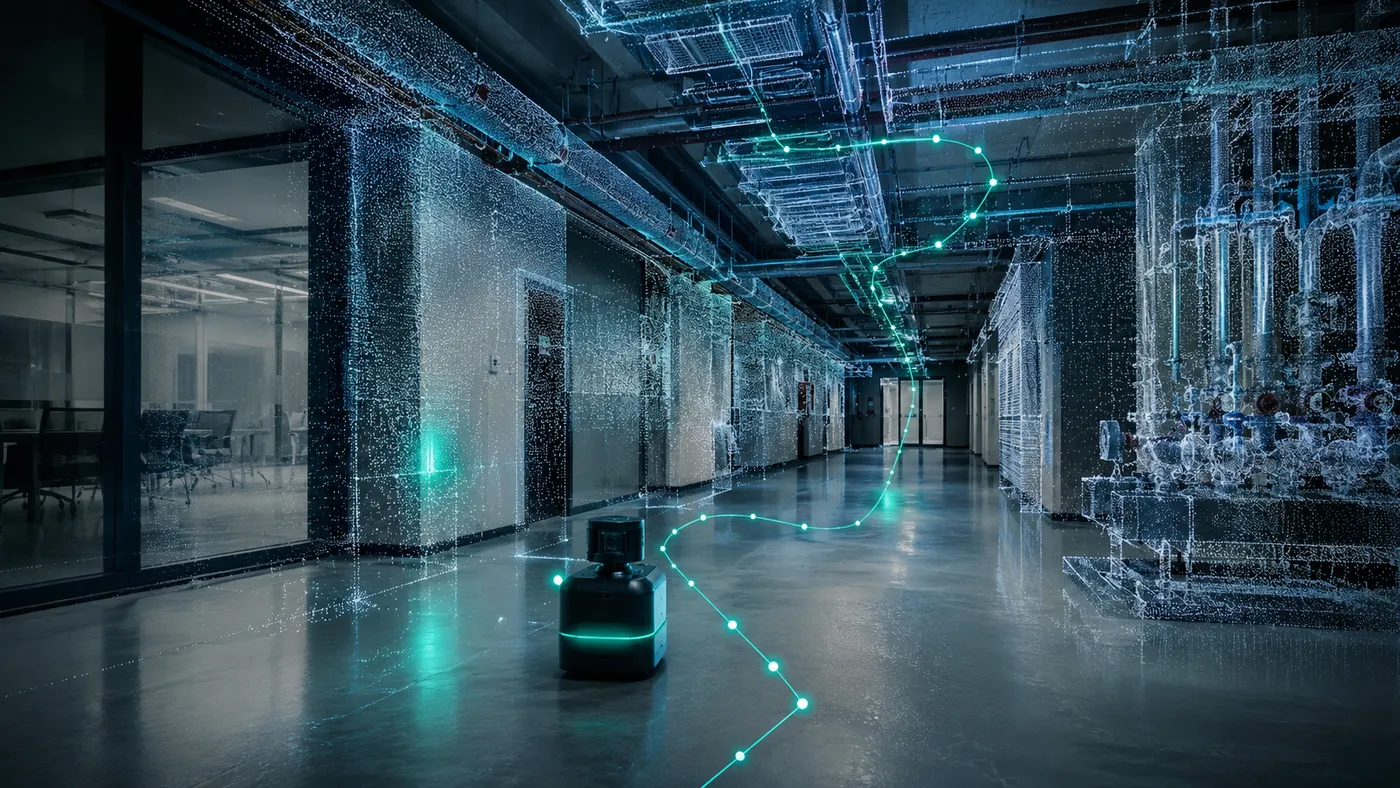
The widespread adoption of BIM and of virtual design and construction workflows has begun to transform the construction industry — and SLAM-based 3D scanners are one of the technologies accelerating that change. This article explains what the current generation of mobile SLAM scanners brings on top of static laser scanners.
From static scanners to mobile SLAM
Over time, static laser scanners have become more accurate, more powerful and faster. In parallel, mobile and handheld SLAM-based scanners have carved out a niche of their own: these smaller scanners do not depend on GPS — they use algorithms to figure out where they are in relation to their surroundings. Many of them scan continuously while moving, dramatically reducing capture time, and they can be brought into difficult environments much more easily.
Accuracy of the current generation
While early SLAM scanners did not match the accuracy of static ones, the new generation of sensors and the progress made in the algorithms is changing the game, bringing mobile scanning ever closer to the accuracy standards required on site.
Conclusion
For construction and engineering firms, the opportunity to digitalise their workflows has never been greater, and SLAM scanners are a key tool in that respect. For a mobile 3D scan of a site or a building, contact us.