As-built surveys from 3D scanning: faster and more accurate than the traditional method
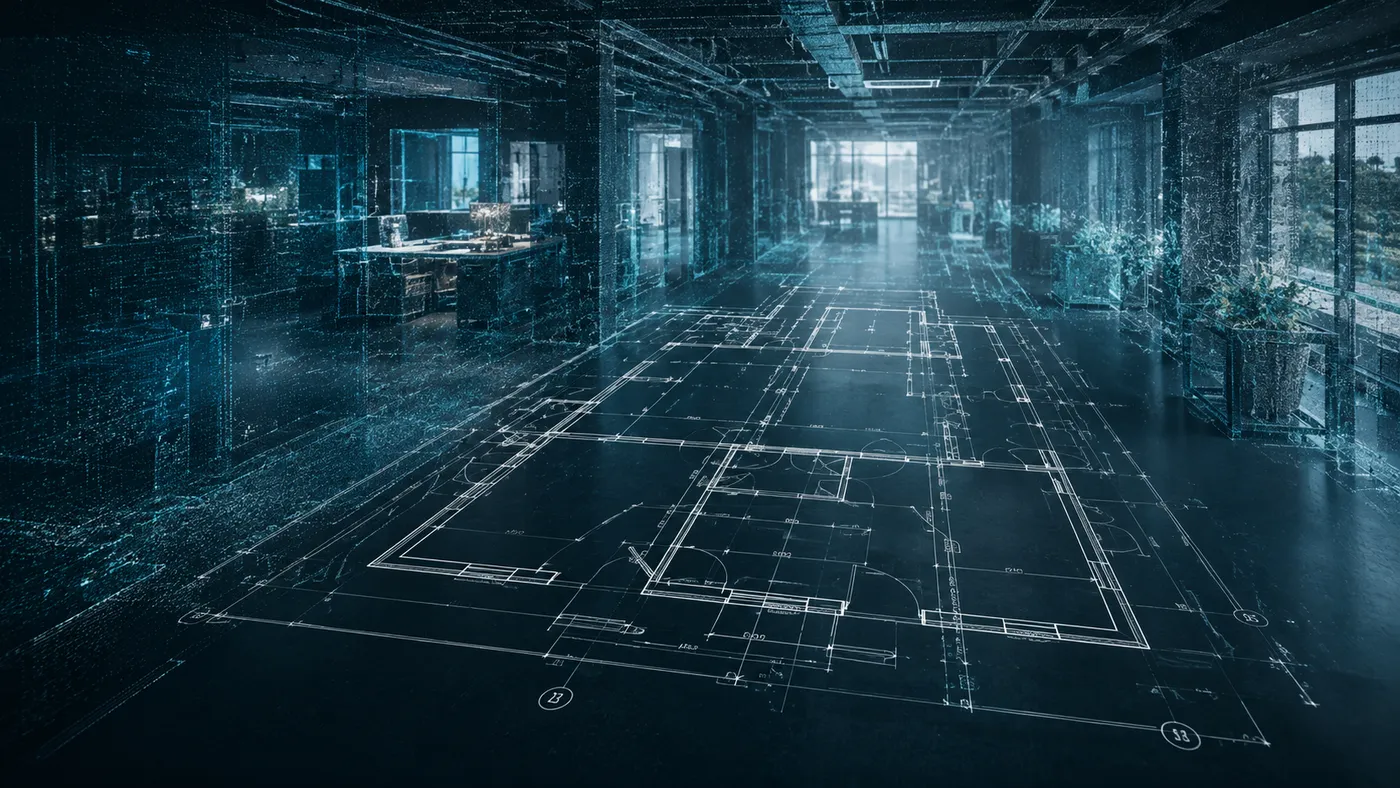
As-built surveys produced through 3D scanning are increasingly replacing the traditional pencil-on-paper method in extension, construction or evacuation-plan projects. The reason is simple: 3D scanning captures the entire geometry of the building quickly and accurately, as a point cloud, eliminating human errors and saving precious time. This article explains why as-built surveys from 3D scanning are more advantageous and what benefits they bring in design.
Why 3D scanning is more advantageous
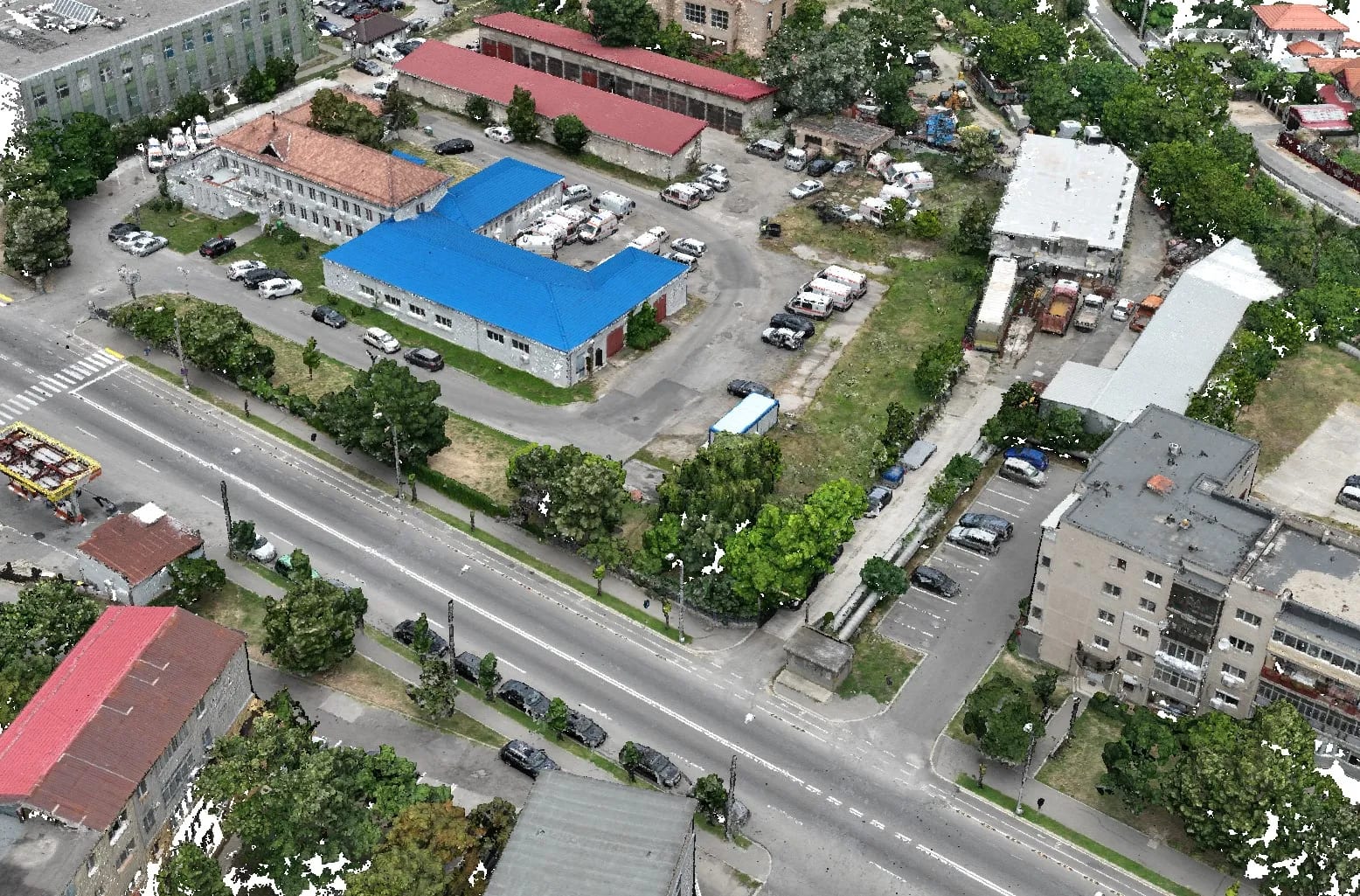
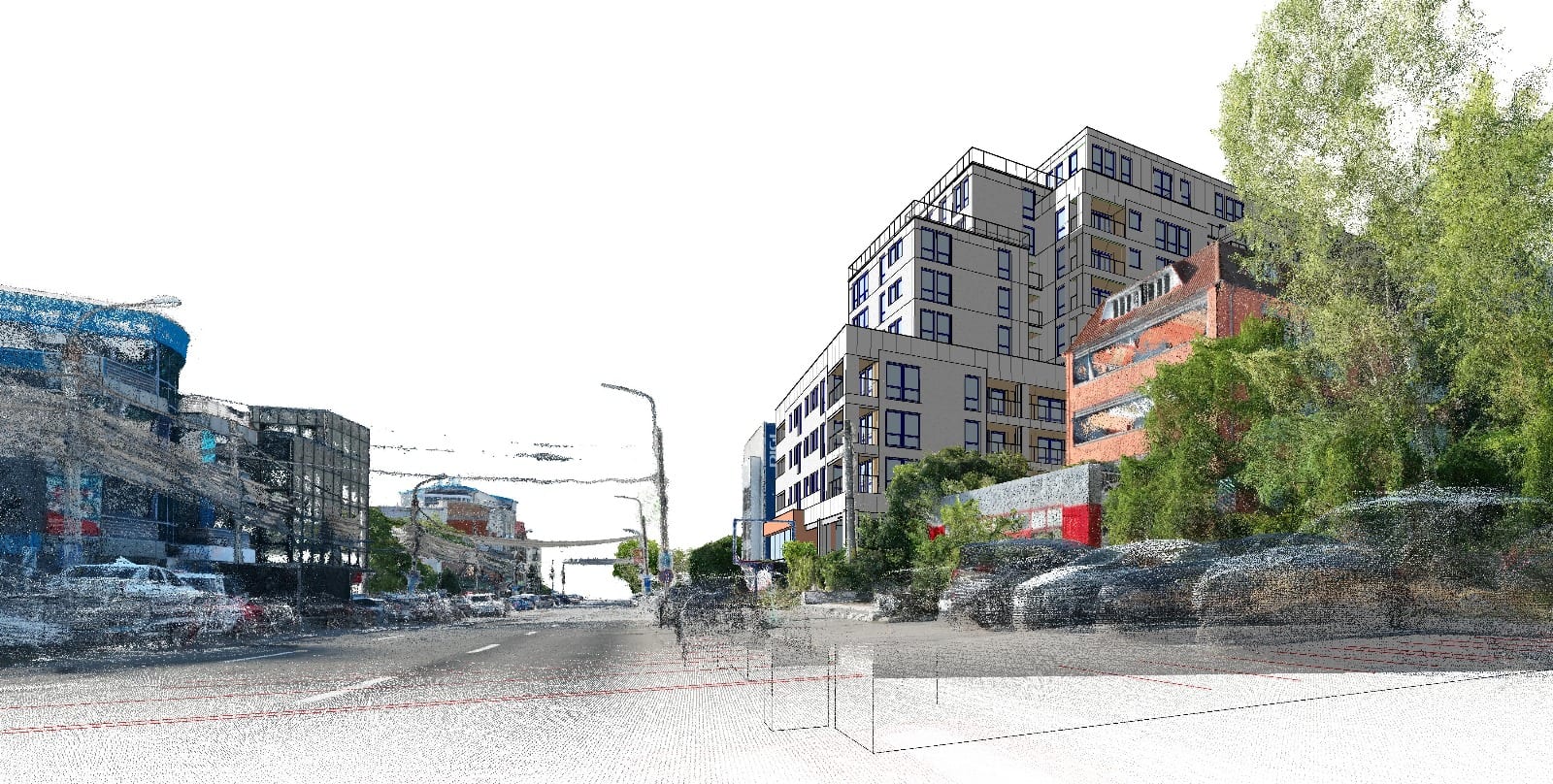
3D scanning is an efficient and cost-effective method for accurate development and refurbishment plans. With a 3D scanner you quickly obtain the topography of every area and structure of the building, providing a clear overview. On that basis you can design each room, the interior layout, the furniture and all the systems in detail — aspects every bit as important as the building’s exterior appearance.
3D scanning during construction
The method can also be used during execution. Repeated scans keep a record of how the works progress and allow any errors to be identified early so they can be fixed quickly. In this way 3D scanning contributes directly to the success of the construction, documenting every change made.
The benefits of 3D-scan as-built surveys
- Lower costs for a detailed, accurate plan, thanks to fast measurement.
- Correct and complete data about the building’s structure and its surroundings.
- Quick, single analysis of the data, thanks to the accuracy and density of the point cloud.
- Fewer errors compared with a manual plan, which is time-consuming and error-prone.
- Easy updating of the plans during construction, through repeated scans.
Conclusion
For buildings of any size, an as-built survey from 3D scanning provides accurate, fast and easy-to-update plans — a clear advantage over the traditional method. For as-built surveys, floor plans or sections produced through 3D scanning, contact us.