Benefits of 3D laser scanning in architecture and construction
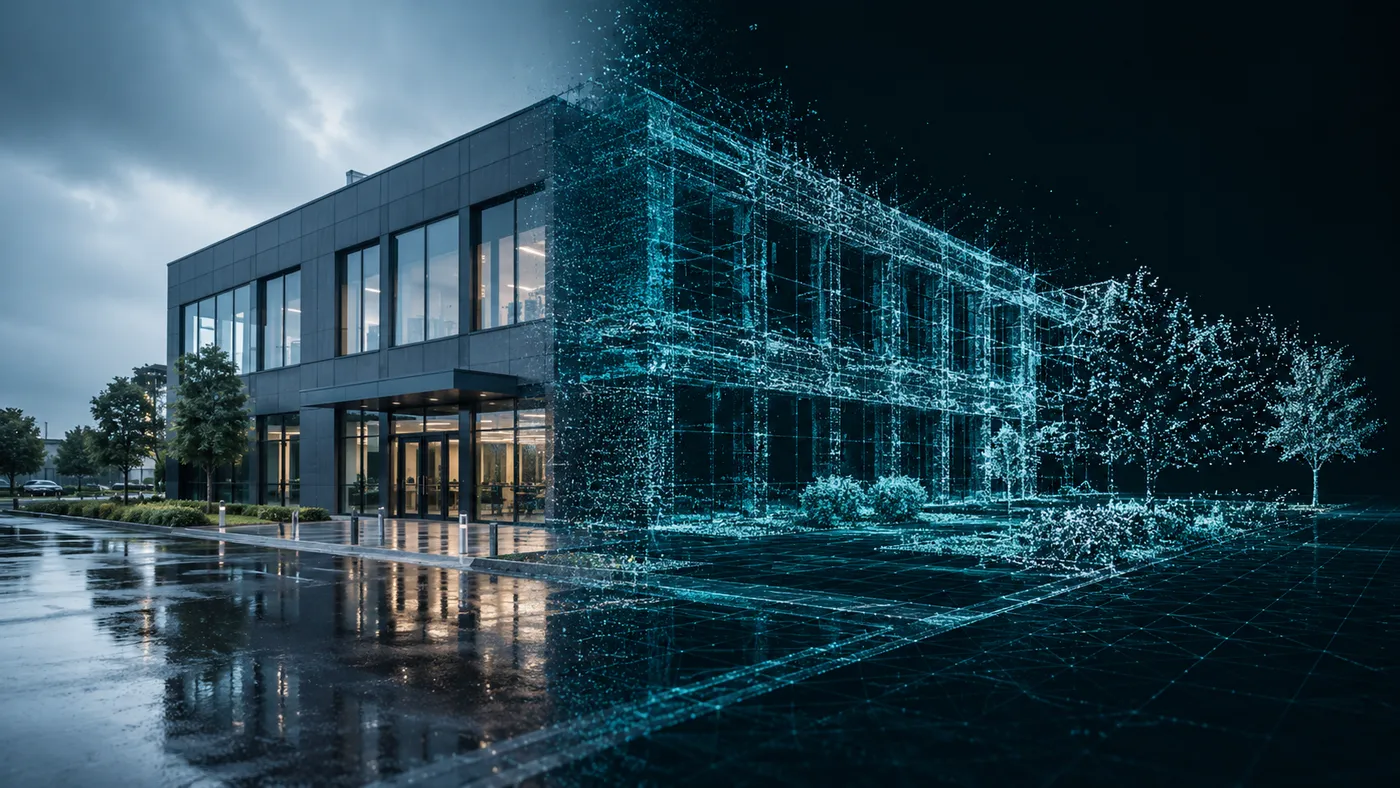
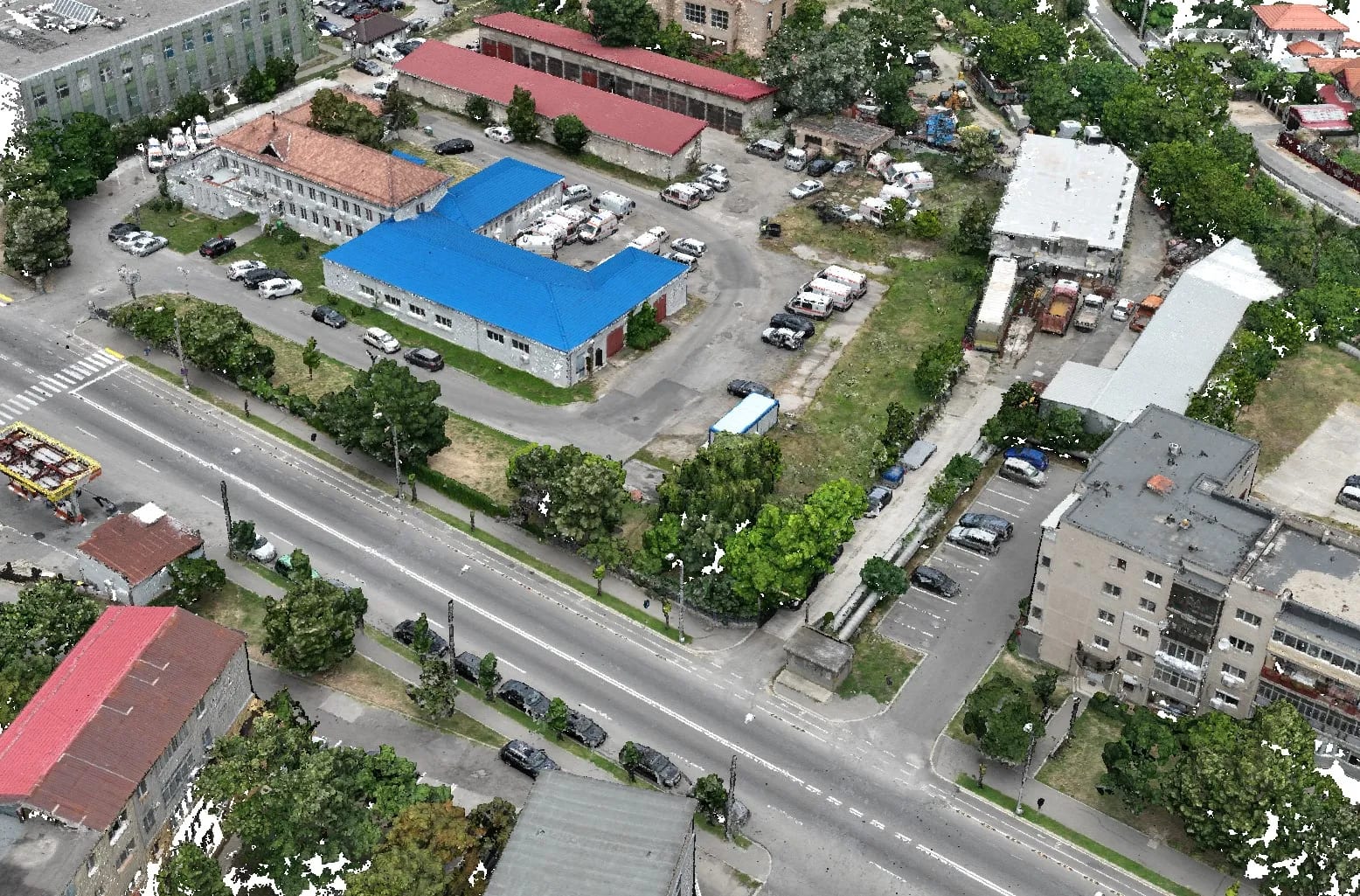
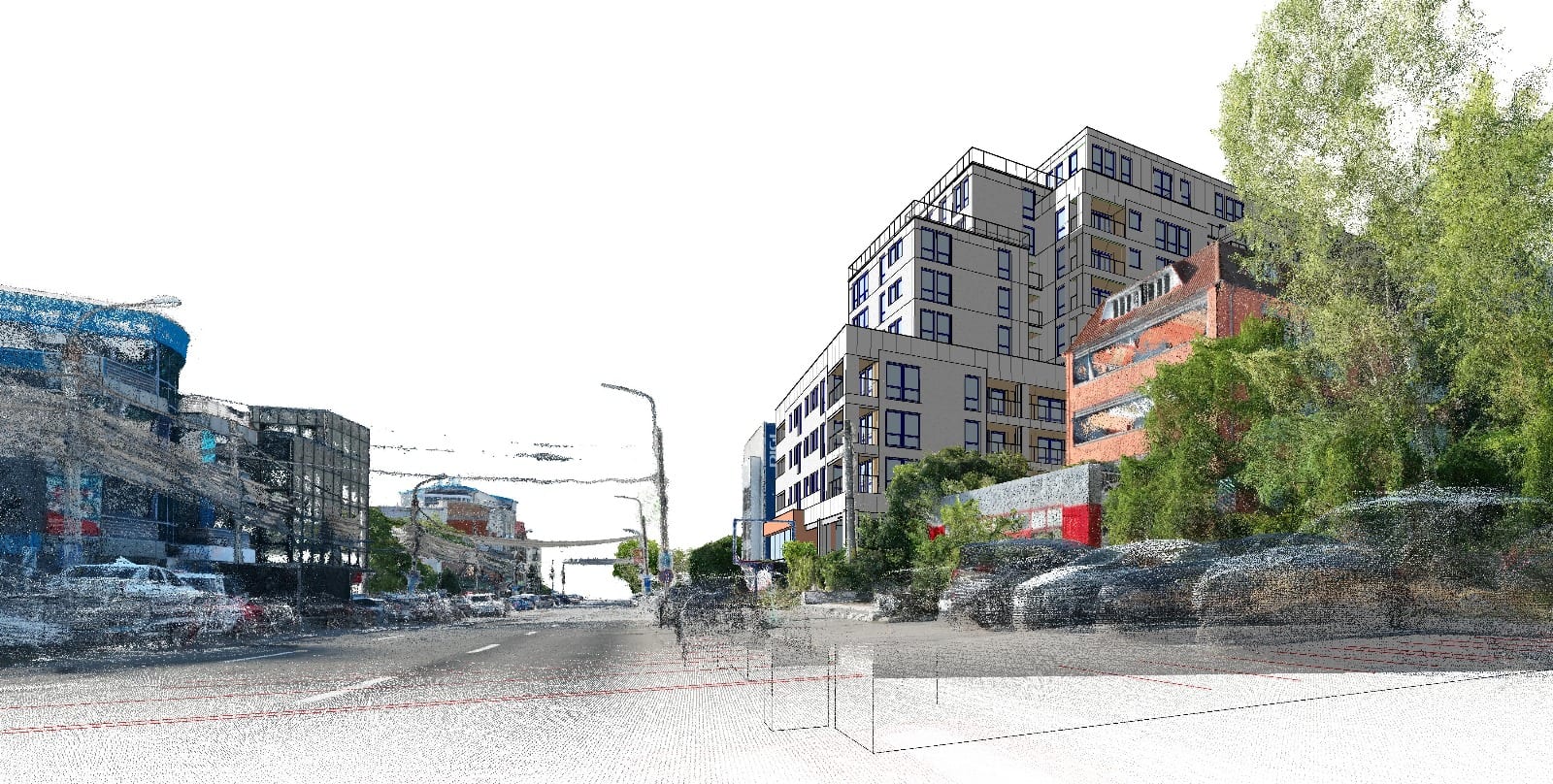
Complex topographic projects increasingly include 3D laser scanning, a method that uses laser light to measure distances and locations with very high accuracy, even from a distance. The resulting data is exported into BIM and CAD software and brings clear benefits to project managers and engineers: saved time and money, accurate plans, and fewer errors. This article presents the main benefits of 3D laser scanning in architecture and construction.
Accurate project planning
3D scanning allows accurate models of the building to be produced, eliminating the need to redo the plans. Errors are therefore prevented from the planning stage onwards, saving time and money.
Real-time information
The scanner is used as soon as it is needed, and the captured data is available in real time, speeding up decision-making on site.
Reducing errors
The 3D scanner detects the inadequate positioning of pipes or equipment, helping to identify problems early. This reduces the delays that lead to lower productivity and additional consumption of resources.
Integration with BIM and CAD workflows
The point cloud obtained through 3D scanning is exported directly into a wide range of BIM and CAD software, becoming the basis for as-built models, surveys and detailed designs.
Conclusion
3D laser scanning is a modern way to assess the state of a construction and to manage large projects, with clear advantages in saving time and money. For a 3D laser scan of a building or a site, contact us.